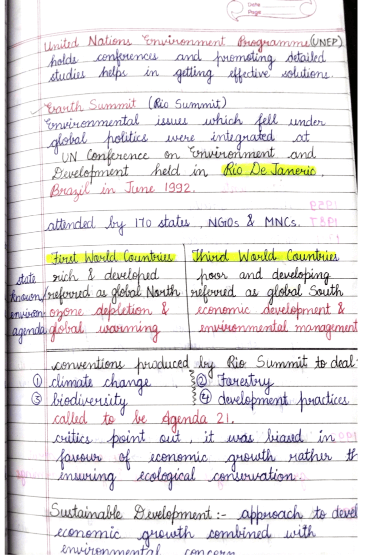
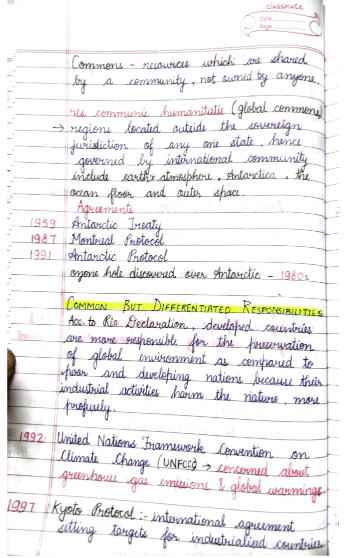
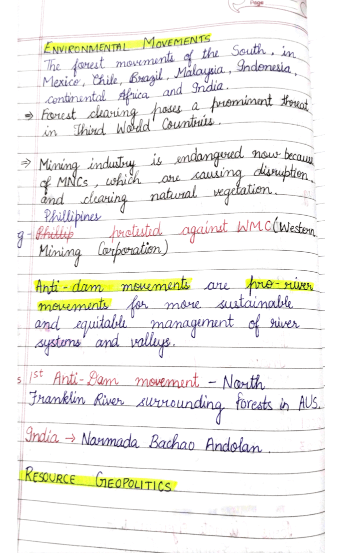
Studycart24 is offering Class 12 Political Science NCERT Chapter 6 Environment & Natural Resources – Free Handwritten Notes PDF, free of cost, easily downloadable, and designed in a PDF format for offline study. These notes ensure a well-organized approach to mastering Political Science concepts. Presented in a streamlined format across 10 pages and a compact size of just 8 MB, the notes are both convenient and effective for exam preparation. In this article, you will find detailed insights into Chapter 6 Environment & Natural Resources. Furthermore, we will explore handwritten notes, cover important topics, share previously asked questions, include MCQs, address FAQs, and provide helpful strategies to retain information. You will also learn how to study like a topper, preview and download the notes, and prepare efficiently for this chapter.
 Join Telegram
 Join WhatsApp
| Details | Information |
|---|---|
| Chapter: | Environment & Natural Resources |
| Subject: | Political Science (Contemporary World Politics) |
| Size: | 8 MB |
| Pages: | 10 |
| Format: | PDF (Scroll down below) |
Download & Preview Link – Class 12 Political Science NCERT Chapter 6 Environment & Natural Resources – Free Handwritten Notes PDF
| Related Notes from Studycart.com | Link |
|---|---|
| Class 12 Hindi Notes | View Here |
| Physical Education Class 12 Hindi Notes | View Here |
| Geography Class 12 Hindi Notes | View Here |
Study Aid Materials from AMAZON
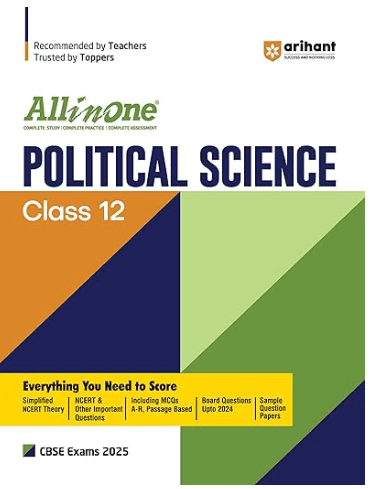
All In One Political Science 12th Class
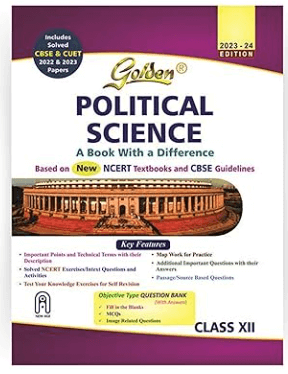
Golden Political Science Class 12 (Based on NEW NCERT Textbooks for CBSE 2026 Board Exams, Includes Solved CBSE & CUET 2024 and 2025 Papers)
Importance of Class 12 Political Science Notes
Political Science involves critical global issues that shape today’s world. This chapter focuses on environment and natural resources—issues that go beyond politics and affect every human being. For students, handwritten notes serve as a quick revision tool, condensing lengthy NCERT explanations into concise points. They are exam-focused, align with the CBSE syllabus, and highlight key concepts that are often repeated in board exams. By using notes, students save time and enhance their ability to recall information during tests.
🙏 Support Our Work
We work very hard to create quality handwritten notes to support your learning journey. Every page is the result of hours of dedication and care. If you find our efforts valuable, please consider supporting us. Even a small contribution of ₹5, ₹10, ₹50, or ₹100 — whatever feels right to you — can make a big difference. Your support helps us continue this platform and keep the notes accessible to everyone. Donate securely via PhonePe – your kindness truly means a lot.

UPI ID:
(Tap to copy)
Please Donate ₹5, ₹10, ₹50, ₹100 or whatever feels right to you.
Overview of Chapter 6 Environment & Natural Resources
This chapter explains how environmental issues and the management of natural resources have become central to international politics. It highlights the challenges of balancing development with environmental protection, the role of international agreements, and India’s position in these debates.
Key Themes Covered:
- Importance of environment in global politics.
- Debates around resource sharing and sustainable development.
- Role of international agreements like the Kyoto Protocol and Rio Summit.
- Conflicts between developed and developing nations on environmental issues.
- The concept of common but differentiated responsibility.
- India’s approach towards environment and natural resource management.
Free Handwritten Notes PDF – Features
The notes provided by Studycart24 are crafted for exam readiness. They include:
- Concise summaries of long paragraphs.
- Flowcharts explaining resource management policies.
- Diagrams and maps to visualize global environmental agreements.
- Highlighted keywords for faster memorization.
- Balanced coverage of theory and examples.
These features make them extremely valuable for last-minute revision sessions.
How to Study Like a Topper
Toppers usually adopt systematic methods to maximize learning efficiency. Here are some effective strategies:
- Break down the chapter: Study global environmental issues separately from India’s role.
- Use visual aids: Create charts of important treaties like Kyoto, Rio, and Paris.
- Practice structured writing: Answers should include an introduction, explanation, and conclusion.
- Link with current affairs: Relate climate change debates to contemporary summits.
- Revise multiple times: Regular short revisions are more effective than one long session.
- Memorize examples: Quote actual cases like the Chipko movement or India’s stand in global climate negotiations.
Important Topics in Chapter 6 Environment & Natural Resources
Students should focus on these areas:
- Emergence of environmental concerns in global politics.
- Role of natural resources in international conflicts.
- Sustainable development and its significance.
- North-South divide in environmental debates.
- Common but differentiated responsibilities.
- International treaties like Kyoto Protocol and Rio Summit.
- India’s environmental policies and stand in international negotiations.
Previously Asked Questions
CBSE examiners often repeat critical questions from this chapter. For instance:
- Explain the concept of sustainable development.
- Why is there a conflict between developed and developing countries on environmental issues?
- Describe India’s role in global environmental debates.
- What was the significance of the Rio Summit of 1992?
- How do environmental issues affect global politics?
Multiple Choice Questions (MCQs)
- The Rio Summit was held in:
- a) 1990
- b) 1992
- c) 1995
- d) 2000
- The Kyoto Protocol deals with:
- a) Trade disputes
- b) Greenhouse gas emissions
- c) Terrorism
- d) Migration
- Which concept highlights the responsibility of developed nations to address climate change?
- a) Sustainable growth
- b) Common but differentiated responsibility
- c) Environmental justice
- d) Collective security
- Which Indian movement highlighted the importance of forest conservation?
- a) Green Revolution
- b) Chipko Movement
- c) Quit India Movement
- d) Narmada Bachao Andolan
- India’s stand in climate negotiations emphasizes:
- a) Equal responsibility for all
- b) Developed nations bearing greater responsibility
- c) Only economic growth
- d) Withdrawal from treaties
FAQs on Environment & Natural Resources
It is development that meets the needs of the present without compromising the ability of future generations to meet their own needs.
Because environmental concerns often lead to debates over resource sharing, international treaties, and the responsibility of nations.
It bound developed countries to reduce greenhouse gas emissions.
India promotes renewable energy, participates in international negotiations, and emphasizes the principle of common but differentiated responsibility.
It marked a milestone in global environmental politics by adopting Agenda 21, which focused on sustainable development.
How to Prepare for Class 12 Chapter 6 Environment & Natural Resources
Here’s a step-by-step approach to preparation:
- Read NCERT carefully: Understand key concepts like sustainable development and common responsibility.
- Highlight key treaties: Note the years and objectives of major agreements.
- Use handwritten notes: Revise through compact summaries.
- Practice writing answers: Focus on clarity and structure.
- Solve past year questions: Identify recurring patterns.
- Use diagrams and charts: Create quick references for global treaties.
Final Tips to Score High in Political Science
- Always structure answers with headings and subheadings.
- Use case studies like Chipko Movement and Narmada Bachao Andolan.
- Relate answers to contemporary issues like climate change summits.
- Revise regularly with the help of handwritten notes.
- Manage time wisely during exams, attempting easy questions first.
Conclusion – Class 12 NCERT Chapter 6 Environment & Natural Resources
The chapter Environment & Natural Resources is crucial in understanding how ecological concerns intersect with global politics. It highlights debates around sustainable development, resource management, and international cooperation. With Studycart24’s free handwritten notes PDF, students gain concise, exam-focused material that simplifies revision. By using these notes, practicing MCQs, and applying topper strategies, learners can master the chapter and score high in their board exams. Download the notes today and take a confident step toward success.
Tags: Class 12 Political Science Chapter 6 Environment and Natural Resources,
Contemporary World Politics Class 12 NCERT Notes,
Political Science Part 1 Class 12 Environment and Natural Resources,
NCERT Class 12 Political Science Environment and Natural Resources Summary,
CBSE Class 12 Political Science Handwritten Notes PDF,
Studycart24 Free Handwritten Notes Class 12 Political Science,
Toppers Class Notes Political Science Chapter 6 Class 12,
Class 12 CBSE Exams Political Science Chapter 6 Notes,
NCERT Solutions for Class 12 Political Science Environment and Natural Resources,
Download Free Handwritten PDF Class 12 Political Science Chapter 6